
VARUS comprehensively enters the Kyiv market through a ready-made large-scale network of locations of the “near home” format – Loktionova
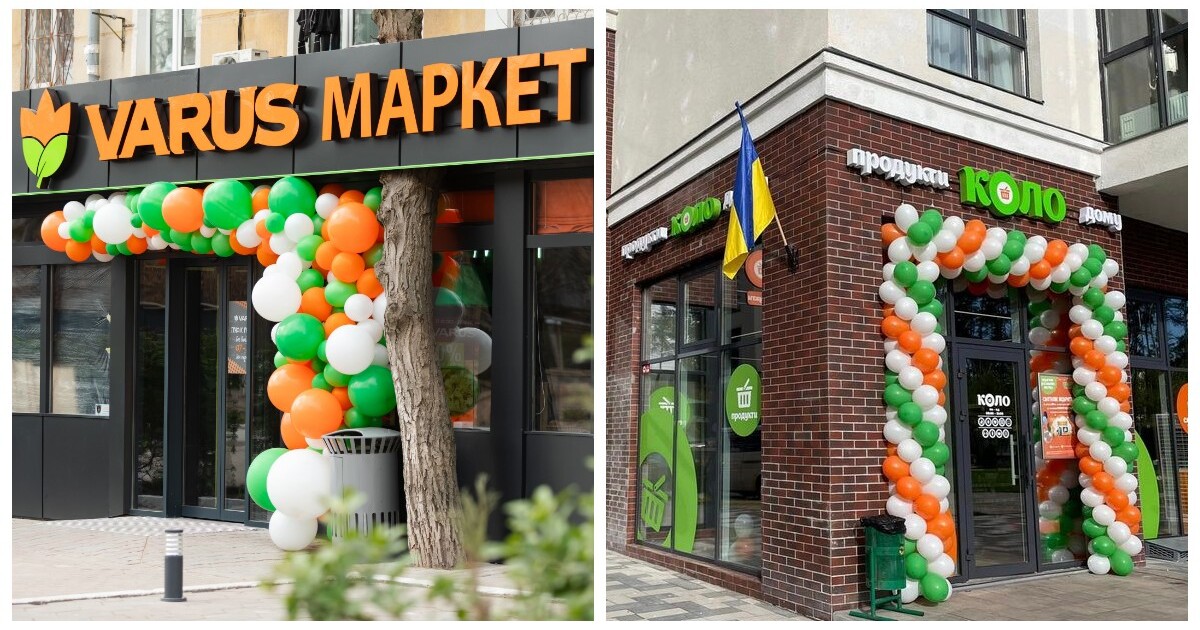
The UTG company, as a leader in the retail real estate market, commented on the situation with VARUS’s acquisition of the KOLO chain of stores. The company’s director, Evgenia Loktionova, answered the question of “Economic Truth” (“Economichna Pravda”) and explained the very fact of the transaction and what it gives VARUS, how it changes its position in the market.
What is most valuable for VARUS in this transaction: locations, KOLO turnover, entry into the Kyiv market or a ready-made model of stores near home?
For the VARUS network, the most valuable thing in this transaction is a comprehensive entry into the Kyiv market through a ready-made large-scale network of locations of the “near home” format. Before the acquisition of the KOLO network, the company was represented in the capital with only a few dozen points, while the classic format of large supermarkets requires a completely different urban planning logistics.
Why is it more profitable for VARUS to acquire 254 ready-made points than to develop its own To Go format?
Instantly scaling up to 374 stores in the “near home” segment is much more profitable than organically developing its own To Go points due to saving time on finding locations, ready-made logistics, an existing base of over 70 thousand daily customers and an already formed team of specialists.
In particular, thanks to instant expansion, the retailer gets 254 working points in key cities (Kyiv, Odesa) instead of a long search for premises and repairs. VARUS also gets a ready audience, because the stores are already visited by over 70,000 customers daily. Another important fact is the fact of getting a ready-made staff, because the company has retained over 1,100 experienced employees of the KOLO chain.
To what extent does the merger really change VARUS’s position if we compare the chains not by the number of stores, but by turnover and trading area?
Yes, the merger of the chains changes the positions of VARUS due to changes in the scale of the chain and the impact on the market position. Thus, VARUS makes a leap into the top 4 in terms of the number of retail outlets. In other words, the merged company takes 4th place in Ukraine among grocery chains (after ATB, Sim23/Simi and FORA).
But the main change is qualitative. After all, VARUS closes the strategic need for rapid scaling in Kyiv, Kyiv and Odessa regions, where before the merger it had a minimal presence of classic supermarkets. Now it is turning into a powerful player in the segment of the format of small walk-in stores with a basic range of products and goods.
Why could BGV decide to sell KOLO right now and what does this say about the economics of the format near home?
Most likely, BGV sold the KOLO minimarket chain (Aritail LLC) to the VARUS supermarket chain due to the chronic unprofitability of the project. Despite the increase in revenue to UAH 3.3 billion in 2025, the chain recorded a loss of UAH 125 million, and in the first quarter of 2026 – another UAH 42.8 million minus.
Will the deal lead to further market consolidation and what can buyers and suppliers expect: rebranding, changes in assortment, prices and procurement conditions?
This is the second deal to unite food operators in the market. The deal was concluded immediately after a similar takeover of the Badyoriy chain by the FORA system in June 2026. Thus, we see that large players are massively buying up small formats in order to occupy the niche of “step accessibility” and prevent the arrival of European discounters.
Buyers can expect prices to adapt to VARUS standards as management and logistics systems are unified. And suppliers expect changes in the procurement processes of goods, which will be more centralized, which will increase the retailer’s leverage on pricing.