
The concept of housing is changing
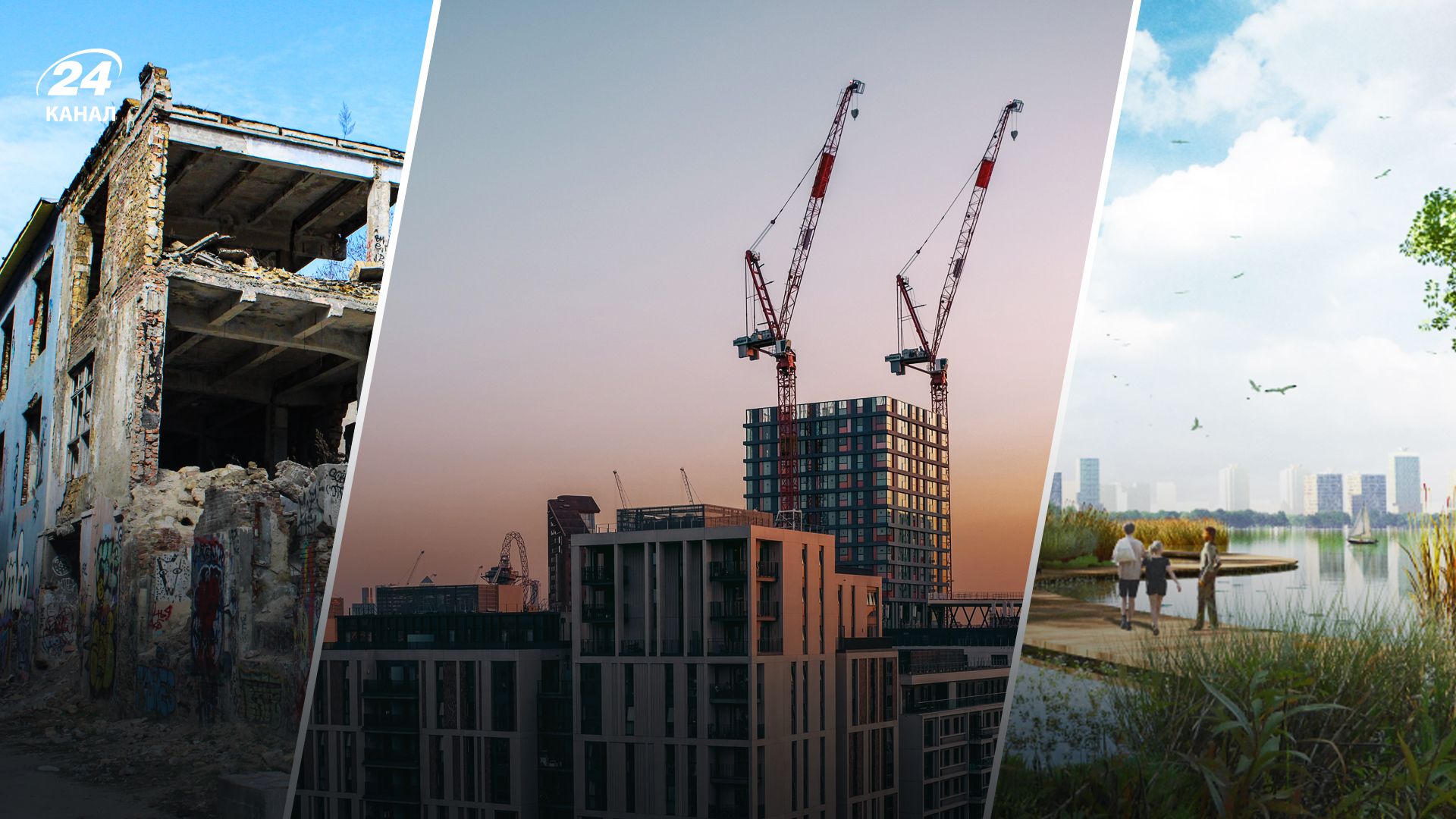
War and military action are leading to the relocation of construction work and changes in geography. According to analysts at UTG company, work in the combat zone has almost completely stopped, and construction activity has shifted to safer regions of the country, such as the capital, central, and western regions. This is provoking a construction boom and rising sales prices in these regions. In addition, some developers, especially in the eastern and southern regions, are not only shifting their focus to other regions, but are also actively considering new segments and alternative industries. In general, current concepts of residential real estate are changing towards improving the civil defense system, adapting to the likelihood of emergencies, and facilitating rescue operations.
In general, several processes are taking place in the housing market at once. First, there is a change in structure and a sharp reduction in speculative transactions. Thus, if before the war, investment purchases accounted for 40-50% of the market, in 2022-2025, 85-90% of transactions will be related to improving personal housing needs and relocation. This significantly affects sales rates and, accordingly, the timing of the implementation of the projects announced.
Second, the cost of housing maintenance is increasing against the backdrop of rising utility bills. In turn, given the decline in citizens’ purchasing power, this leads to a reduction in the purchase budget, optimization, and a decrease in the demand for housing space.
Thirdly, there is an increase in the cost of sales due to changes in the cost of materials (especially imported ones) and construction and installation works. This puts pressure on the primary market, provoking a forced increase in production costs and, accordingly, the sale prices of apartments and houses.
Fourth, there is a shortage of workers on construction sites due to mobilization or the outflow of personnel abroad. Therefore, the pace of installation work is slowing down, but the approach to conceptual solutions that are most in demand by buyers is increasing.
There is also increased demand for private homes and land plots on the housing market. This trend began during the coronavirus pandemic as a means of social distancing and has intensified following regular damage to critical infrastructure by the enemy, resulting in power outages, water supply failures, sewage problems, heating failures, communication failures, elevator malfunctions, etc. Therefore, the importance of tools for autonomy and individual safety continues to grow. In addition to the already popular transformation of basements of houses and buildings for use as collective shelters, the use of generators, solar panels, and satellite internet, the practice of creating dual-purpose premises is becoming more widespread. Most often, they are created on the basis of underground parking lots, commercial establishments in the basement floors of cafes, pubs, restaurants, beauty salons, and spas, where autonomous workplaces and points of invulnerability are implemented.
All this is leading to a change in the concept of housing. Developers are beginning to implement the experience of Israel, designing and implementing a system of thicker load-bearing concrete walls and stronger and more secure shafts for the placement of individual mamad shelters. The rooms are equipped with armored doors and protective shutters. Window technologies are being improved, with reinforced layers or triplex glass being implemented to protect against blast waves and reduce the risk of injury. Autonomous wireless engineering technologies and security systems are also being further developed and incorporated into projects. Living rooms are designed to accommodate solid fuel fireplaces with the possibility of heating and cooking, connected to separate air ducts. Projects adapt designs to the needs of people with limited mobility, increasing control over their compliance and adherence to growing requirements.
Overall, according to UTG company analysts, these factors fundamentally influence consumer behavior and choices, radically change buyer requirements, and, accordingly, provoke changes in conceptual approaches and design. Increased safety and inclusivity requirements may make individual solutions more expensive today, but their implementation will increase buyer loyalty and affect sales rates. In the near future, elements of inclusion in complexes with the possibility of rehabilitation for military personnel, the wounded, and victims will lead to an increase in competitive advantages and, ultimately, to more expensive projects.